
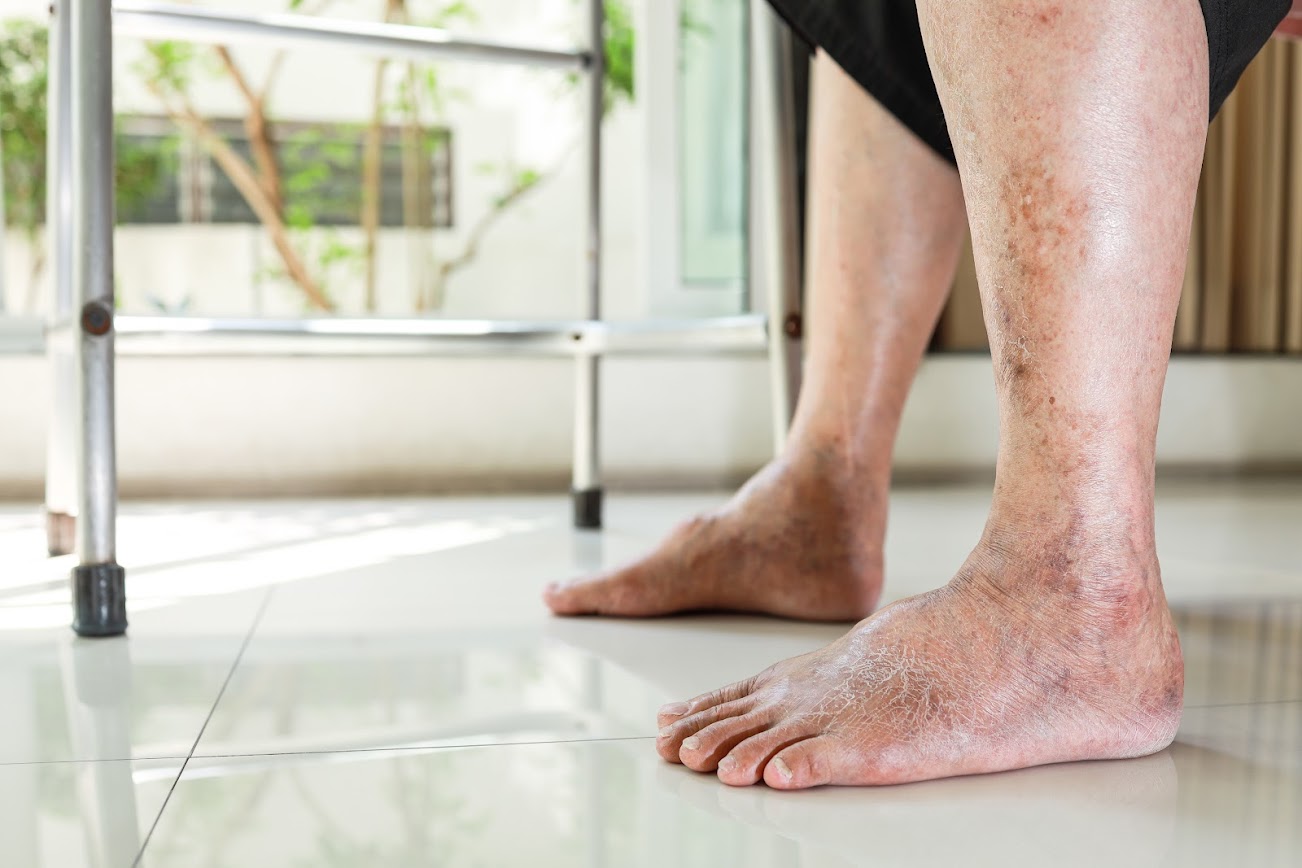
If you have diabetes, your feet need extra attention. Reduced circulation and nerve damage (neuropathy) can turn a small cut, blister, or callus into a serious infection or ulcer — sometimes without you feeling it. Catching problems early is the single best way to avoid wounds, hospital visits, and amputations.
At Premier Lower Limb Clinic in Jersey City, Dr. Ibrahim Elkattawy provides thorough, preventive diabetic foot care designed to keep small problems from becoming big ones, with same-day access when something looks wrong.
Request an AppointmentWhy Diabetic Feet Are at Higher Risk
High blood sugar over time can damage the nerves and blood vessels in your feet. Neuropathy reduces your ability to feel pain, so injuries go unnoticed, while poor circulation slows healing and makes infection more likely. Together, these mean a minor issue can escalate quickly — which is why regular professional foot exams are part of good diabetes care.
Learn more about our podiatry services.
Signs You Should Be Seen Right Away
Call us promptly if you notice:
- A cut, blister, sore, or ulcer that isn’t healing
- Numbness, tingling, or burning in your feet
- Redness, warmth, swelling, or drainage
- A change in the color or temperature of the skin
- Thick calluses or corns over pressure points
What Our Diabetic Foot Care Includes
- Comprehensive diabetic foot exams and risk assessment
- Circulation and neuropathy screening
- Wound and diabetic ulcer care
- Safe professional nail and callus care
- Diabetic shoe and custom orthotic recommendations to offload pressure
- Education on daily foot checks and warning signs to watch for at home
Frequently Asked Questions
How often should someone with diabetes see a podiatrist?
Often every one to three months, depending on your risk level. If you have neuropathy, poor circulation, or a history of ulcers, more frequent visits are recommended.
I have numbness and tingling — should I come in?
Yes. Numbness and tingling are signs of neuropathy, which raises your risk of unnoticed injuries. An evaluation lets us protect your feet before a problem develops.
Do you treat diabetic foot wounds and ulcers?
Yes. We provide wound and ulcer care and work to heal the area while addressing the pressure or cause behind it.
Why can’t I just trim my own nails and calluses?
Reduced sensation makes it easy to cut too deep or create a wound you can’t feel. Professional, safe nail and callus care lowers that risk.
Are diabetic shoes and orthotics covered?
Many plans include a diabetic shoe benefit. We’ll check your coverage and recommend footwear that offloads high-pressure areas.
Can I be seen the same day if something looks wrong?
Yes, we offer same-day appointments when available — important for diabetic feet, where early care prevents complications.
To learn more about the doctor providing your care, meet Dr. Elkattawy.
Request an Appointment



