
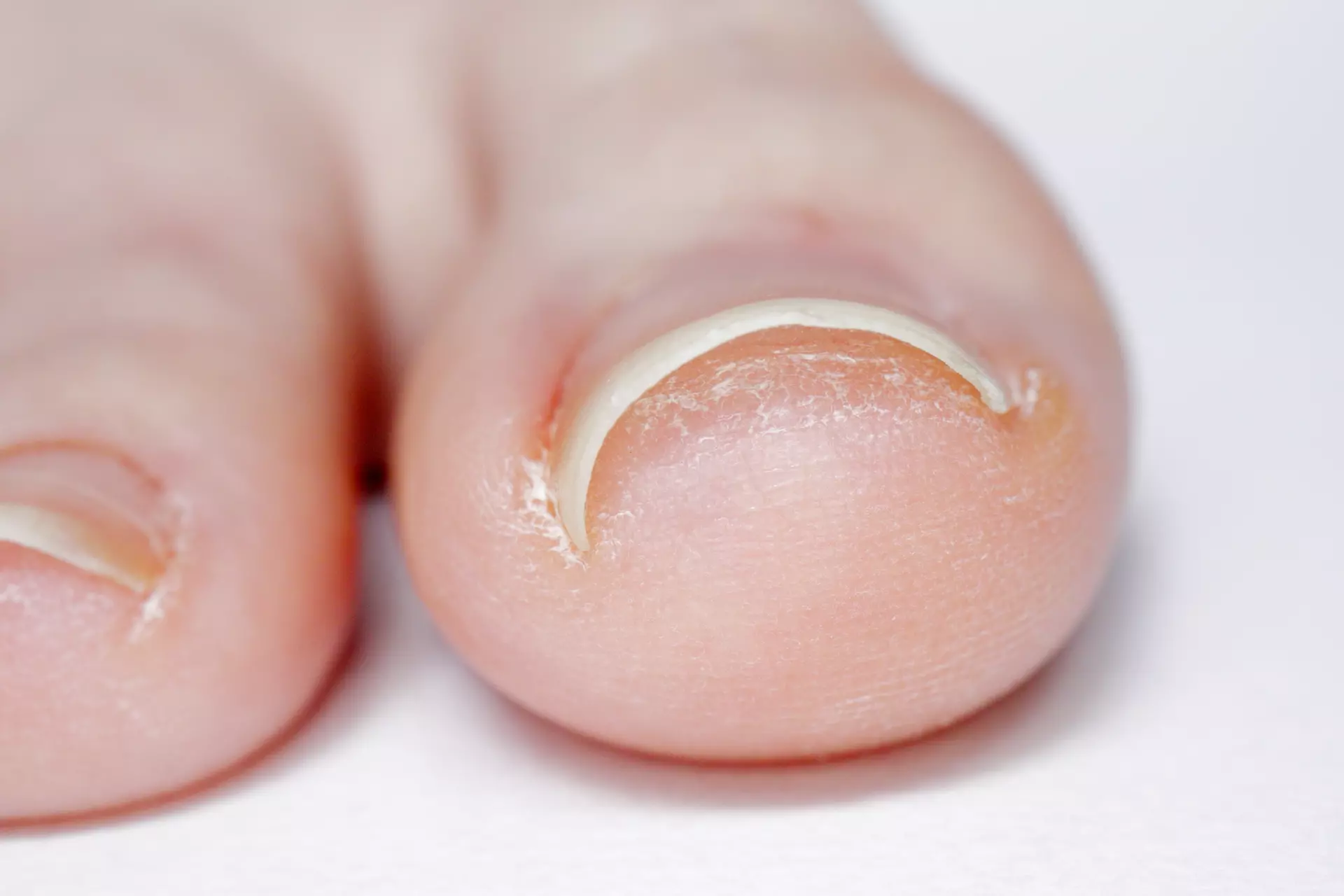
An ingrown toenail is one of the most painful foot problems—and one of the most treatable. If your toenail is curved into the skin, causing redness, swelling, or pain, you’re probably looking for relief. The good news: You don’t have to live with the pain.
Whether your ingrown toenail is mild or severe, Dr. Ibrahim Elkattawy at Premier Lower Limb Clinic offers effective treatment options that provide fast relief. Some ingrown toenails respond to simple home care. Others require professional treatment.
Request an AppointmentWhat Is an Ingrown Toenail?
An ingrown toenail occurs when the edge or corner of a toenail grows into the surrounding skin instead of growing straight out. This usually happens on the big toe, though it can affect any toenail.
When the toenail grows into the skin, it causes pressure, irritation, redness, and swelling. Pain is especially noticeable when wearing shoes or walking. The nail can break the skin barrier, creating a risk of infection with discharge or pus. Many people find it difficult to walk normally.
Severity Levels
- Mild: Toenail barely grows into skin; slight redness and tenderness
- Moderate: Toenail clearly ingrown; noticeable swelling and pain
- Severe: Deep nail growth into skin; significant swelling, redness, pain; possible infection
What Causes Ingrown Toenails?
- Genetics: If your family members have had ingrown toenails, you’re at higher risk
- Improper nail trimming: Cutting nails too short or at an angle encourages the edge to grow into skin
- Tight footwear: Shoes that squeeze your toes force nails to curve into the skin
- Nail trauma: Stubbing your toe or dropping something on your nail can cause it to grow abnormally
- Nail structure: Some people naturally have curved nails that are prone to ingrown toenails
- Moisture and sweating: Damp feet can soften the nail and skin, making ingrown toenails more likely
Home Treatment for Ingrown Toenails
If your ingrown toenail is mild, you may be able to treat it at home. However, if it’s severe or infected, professional treatment is necessary.
Soak and Dry
Soak your foot in warm water for 15-20 minutes daily to soften the nail and surrounding skin. Pat completely dry afterward.
Clean and Protect
Wash your foot gently with soap and water daily. Keep the area dry to prevent infection.
Anti-Inflammatory Medication
Take over-the-counter ibuprofen or naproxen to reduce pain and swelling. Apply topical anti-inflammatory cream if available.
Padding & Protection
Wear loose, comfortable shoes with a wide toe box. Avoid shoes that squeeze your toes. If the nail is pressing into skin, place a small cotton ball or gauze under the nail edge to gently separate it.
Toenail Brace or Guard
Special braces or guards are available that gently separate the nail from the skin. They’re inexpensive ($10-20) and available at most pharmacies.
Antibiotic Ointment
If there are signs of infection (pus, spreading redness), apply antibiotic ointment like Neosporin to prevent spreading. Cover with a bandage if needed.
Timeline: Most mild ingrown toenails improve within 1-2 weeks with consistent home care. Success rate: About 50-60% of mild cases respond to home treatment alone.
When to See a Podiatrist
Professional treatment is needed if:
- Home care hasn’t worked after 2 weeks of consistent treatment
- The nail is deeply ingrown into the skin
- Signs of infection are present: Pus, increased redness, warmth, or spreading redness
- Pain is severe even with medication and padding
- You have diabetes—infections are more serious and require professional care
- The toenail keeps coming back to the same ingrown position
- You can’t wear shoes due to pain
- You’re unable to perform home care due to limited mobility or dexterity
Professional Ingrown Toenail Treatment
Temporary Relief (In-Office)
During your first visit, if your toenail is causing significant pain, Dr. Elkattawy can provide immediate relief by carefully separating the nail from the skin and removing the problematic portion. This gives you relief while we plan permanent treatment.
Permanent Solution (Nail Removal with Chemical Cautery)
This is the most effective treatment for preventing recurrence. Dr. Elkattawy removes the problematic edge of the nail, then applies a chemical (phenol) that permanently prevents that edge from regrowing. This is a simple, quick procedure performed in our office with local anesthesia.
Procedure Details
- Local anesthesia completely numbs the toe (you won’t feel pain, just pressure)
- Dr. Elkattawy carefully removes the ingrown portion of the nail
- Chemical cautery is applied to prevent regrowth
- The area is dressed and bandaged
- The entire procedure takes 10-15 minutes
- You can walk immediately and return to normal activities right away
Recovery: Mild discomfort is managed with over-the-counter pain medication. The toe heals completely within 2-3 weeks. You can return to all activities immediately, though you may prefer to rest the foot for the rest of the day.
How to Prevent Ingrown Toenails
- Trim nails straight across: Don’t round the edges or cut at an angle
- Don’t cut too short: Leave the white edge visible
- Wear comfortable shoes: Avoid tight, narrow toe boxes
- Protect your toes: Be careful to avoid stubbing or injuring nails
- Keep feet clean and dry: Reduces infection risk
- Moisturize toenails: Healthy nails are less likely to curve
- See a podiatrist early: Preventive care stops them from becoming severe
Frequently Asked Questions
Will my toenail look normal after treatment?
Yes. The toenail will be slightly narrower on one side (since we removed that edge), but it grows back normally and isn’t visibly different.
Is the procedure painful?
No. Local anesthesia numbs the toe completely. You’ll feel pressure and vibration but no pain. Discomfort after is mild and managed with medication.
How long until I can walk normally?
Immediately. You can walk on the treated foot right after, though you may prefer to rest it for the rest of the day.
Will the ingrown toenail come back?
Recurrence is rare (less than 5%) after professional nail removal with chemical cautery. The edge is permanently prevented from regrowing.
What if I keep cutting the nail shorter?
This usually makes the problem worse, not better. The shorter nail becomes more likely to curve into the skin. Professional treatment is the only permanent solution.
Should I see a podiatrist or a doctor?
A podiatrist specializes in foot conditions and is the best choice for ingrown toenail treatment. Podiatrists see these constantly and are highly skilled.
Get Ingrown Toenail Relief Today
Don’t let ingrown toenail pain limit your activities. Dr. Elkattawy offers same-day relief and permanent solutions.
Request Your Appointment or Call Us: (201) 502-4162
Request an Appointment




