
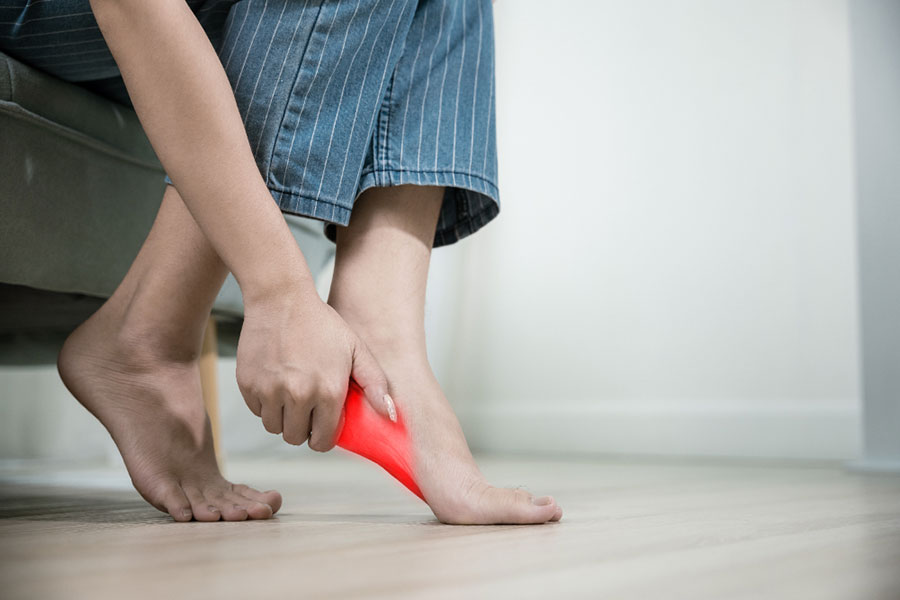
Heel pain from plantar fasciitis is one of the most common foot problems—and one of the most treatable. If you wake up with stabbing heel pain with your first step, or if pain shoots through your foot at the end of the day, you likely have plantar fasciitis.
The pain can be severe enough to affect your ability to walk, run, work, and exercise. The good news: Most plantar fasciitis responds well to treatment. With the right care, 85-90% of patients find relief without surgery. Dr. Ibrahim Elkattawy at Premier Lower Limb Clinic specializes in treating heel pain and plantar fasciitis.
Request an AppointmentWhat Is Plantar Fasciitis?
The plantar fascia is a thick band of tissue that runs along the bottom of your foot, connecting your heel to your toes. It supports your foot arch and absorbs shock when you walk or run.
Plantar fasciitis occurs when this tissue becomes inflamed and irritated. The inflammation causes stabbing heel pain (especially with first steps in the morning or after rest), pain that improves with activity but returns after rest, tightness and stiffness in the foot, and pain worse at the end of the day or after prolonged activity.
What Causes Plantar Fasciitis?
- Tight calf muscles: This is the #1 cause. Tight calves pull the fascia, causing inflammation
- Flat feet or high arches: Both put stress on the plantar fascia
- Overuse or repetitive stress: Runners, athletes, and people on their feet all day
- Age: More common in people over 40
- Weight gain: Extra weight increases strain on the foot
- Sudden activity increase: Running more miles or standing longer than usual
- Poor footwear: Unsupportive shoes don’t cushion the fascia
- Tight hamstrings: Affect gait and plantar fascia tension
Plantar Fasciitis Symptoms
Classic signs include:
- Worst pain first thing in the morning: When you take your first steps out of bed, sharp pain in heel
- Pain improves with activity: As you warm up and walk, pain often improves
- Returns after rest: After sitting for an hour or after a long day, pain shoots back
- Pain at end of day: After standing or walking all day, heel pain is severe
- Tenderness in heel: Touching the heel causes pain
- Stiffness and tightness: Foot feels stiff and tight
- Pain with certain activities: Running, jumping, or standing on tiptoes triggers pain
Severity varies: Mild (annoying but manageable), Moderate (noticeable pain that affects activities), Severe (debilitating pain that limits walking and daily function)
Home Treatment for Heel Pain
If your heel pain is mild to moderate, these strategies often help:
Rest & Activity Modification
Avoid activities that aggravate pain (running, jumping). Take breaks from prolonged standing. Transition to low-impact activity (swimming, cycling).
Ice Therapy
Apply ice under the foot for 15 minutes, 3-4 times daily. Or: Freeze water in a bottle and roll your foot over it. Reduces inflammation and pain.
Stretching
Calf stretches are critical—tight calves worsen plantar fasciitis. Heel cord stretches and plantar fascia self-massage. Do stretches 3-4 times daily, even if pain-free.
Night Splint
Worn while sleeping, keeps foot in flexed position. Prevents tight calf from contracting overnight. Many patients report significant morning pain reduction.
Supportive Shoes
Wear shoes with good arch support and cushioning. Avoid flip-flops, sandals, and unsupportive shoes. Invest in quality athletic or supportive shoes.
Anti-Inflammatory Medication
Over-the-counter ibuprofen or naproxen reduces pain and swelling. Take consistently for best results.
Foot Massage
Roll a tennis ball or massage ball under your foot to relieve tension. Massage the arch for 5-10 minutes daily.
Timeline: Most people see improvement in 4-12 weeks. Some take longer. Without treatment, it often persists for months or years.
Professional Plantar Fasciitis Treatment
If home treatment hasn’t worked after 4 weeks, professional treatment can accelerate healing:
Custom Orthotics
Specially designed inserts provide targeted arch support. Reduce strain on the plantar fascia. Often the most effective long-term treatment.
Advanced Physical Therapy
Specialized exercises and techniques specifically targeting plantar fasciitis. More effective than general stretching.
Plantar Fascia Taping
Athletic taping supports the arch and reduces stress on the fascia. Provides immediate pain relief.
Anti-Inflammatory Injection
A steroid injection reduces inflammation and pain. Provides relief for 4-8 weeks while other treatments work.
Shockwave Therapy
Non-invasive treatment that uses sonic waves to stimulate healing. Effective for stubborn cases.
Recovery Timeline with Treatment
Week 1-2
Initial improvement with rest and stretching. Ice therapy reduces swelling. Pain with first steps may persist.
Week 2-4
Consistent improvement with home care and professional treatment. Stretching routine becomes easier.
Week 4-8
Morning pain reduction. Activity pain decreases. Start custom orthotics if prescribed.
Week 8-12
Most people experience substantial relief. Can gradually return to normal activities. Pain becomes occasional rather than constant.
Long-term
With proper support (orthotics) and stretching, most people stay pain-free. Occasional flare-ups possible if you stop stretching or wear unsupportive shoes.
How to Prevent Plantar Fasciitis
- Stretch calves regularly: Tight calves are #1 risk factor
- Wear supportive shoes: Good arch support prevents plantar fasciitis
- Avoid sudden activity increases: Build up gradually
- Maintain healthy weight: Extra weight increases foot strain
- Use custom orthotics: If you have flat feet or high arches
- Strengthen feet: Foot and ankle exercises support proper mechanics
- Use proper running form: If you run, use good form and appropriate shoes
Related services: Podiatrist, Plantar Fasciitis, Heel Pain, Sprained Ankle Treatment, Bunion Treatment, Ingrown Nails, and Pediatric Podiatrist.
Frequently Asked Questions
How long does plantar fasciitis last?
With treatment, most people see improvement in 4-12 weeks. Some take longer. Without treatment, it often persists for months or years.
Will plantar fasciitis go away on its own?
Not usually. Without treatment, plantar fasciitis tends to get worse, not better. Early intervention prevents chronic pain.
Is plantar fasciitis permanent?
No. With proper treatment (stretching, orthotics, rest), most people recover completely. Long-term success requires maintaining good foot habits.
Can I run with plantar fasciitis?
Initially, no. High-impact activity aggravates the condition. Once pain is controlled (after 4-6 weeks), gradual return to running is possible.
Do I need surgery for plantar fasciitis?
Rarely. Surgery is only considered after 12 months of conservative treatment with no improvement. 85-90% of patients recover without surgery.
Get Heel Pain Relief Today
Don’t let heel pain limit your activities. Dr. Elkattawy offers personalized treatment plans that work. Most patients experience significant relief within 4-8 weeks.
Request Your Appointment or Call Us: (201) 502-4162
Request an Appointment



